Hair loss and hair thinning affect millions of men and women worldwide. Studies suggest that conditions such as androgenetic alopecia, stress-related hair shedding, hormonal changes, and nutritional deficiencies are among the most common contributors to reduced hair density. Because hair is closely associated with personal appearance and confidence, many people actively search for effective solutions to support healthy hair regrowth.
In recent years, non-surgical treatments have gained increasing attention. Many individuals prefer solutions that do not involve medication side effects or invasive procedures. One technology that has attracted significant interest is laser hair treatment, a form of low-level laser therapy (LLLT) designed to stimulate hair follicles and support natural hair growth.
Unlike traditional hair loss approaches that focus only on topical treatments or supplements, laser-based therapy targets the biological activity within hair follicles. As research into light-based therapy expands, dermatology professionals continue to evaluate its potential role in supporting hair growth and managing early-stage hair thinning.
Watch: Laser Hair Treatment Explained
Understanding how laser hair therapy works can be easier with a visual explanation. The following video provides an overview of the science behind the treatment and how light-based technology may support hair regrowth.
This video explains how low-level laser therapy interacts with hair follicles and scalp tissue. Viewers can learn how the technology is designed to stimulate follicle activity, support scalp circulation, and potentially improve hair growth conditions over time.
Quick Answer
Laser hair therapy is a non-invasive hair loss treatment that uses low-level red light to stimulate hair follicles. The light energy may improve cellular activity, increase scalp circulation, and support the hair growth cycle. Many dermatology studies suggest it can help individuals experiencing early-stage hair thinning or pattern hair loss.
Understanding Hair Loss
Hair growth occurs in a repeating cycle consisting of three primary phases:
Anagen (Growth Phase)
During this stage, hair follicles actively produce hair fibers. This phase can last several years.
Catagen (Transition Phase)
Hair growth slows, and the follicle begins to shrink.
Telogen (Resting Phase)
Hair eventually sheds, allowing a new hair strand to grow from the follicle.
When hair loss occurs, the balance between these stages becomes disrupted. Follicles may remain in the resting phase longer, or they may gradually shrink, producing thinner and weaker hair strands. Over time, this can lead to visible thinning.
Hair loss treatments aim to restore normal follicle activity and encourage follicles to re-enter the growth phase.
Common Causes of Hair Loss
Hair thinning can result from several biological and lifestyle factors.
Genetic Hair Loss
The most common cause is androgenetic alopecia, often referred to as pattern hair loss. It occurs when hair follicles become sensitive to dihydrotestosterone (DHT), a hormone that can gradually shrink follicles.
Hormonal Changes
Hormonal shifts can trigger hair shedding. This is commonly seen after pregnancy, during menopause, or in individuals with thyroid disorders.
Stress and Illness
Physical or emotional stress can push hair follicles into the resting phase prematurely, resulting in temporary hair shedding known as telogen effluvium.
Nutritional Deficiencies
Hair follicles require nutrients such as protein, iron, zinc, and vitamins to function properly. Poor nutrition may weaken hair growth.
Scalp Conditions
Inflammation, dandruff, or scalp infections can disrupt follicle health and contribute to hair thinning.
Understanding the underlying cause of hair loss helps determine the most appropriate hair loss treatment strategy.
What Is Laser Hair Treatment?
Laser hair treatment refers to a therapy that uses low-level red light to stimulate hair follicles. The treatment is sometimes called low-level laser therapy (LLLT) or red light therapy for hair growth.
Unlike surgical hair restoration procedures, laser therapy is non-invasive and painless. It works by delivering controlled wavelengths of light to the scalp, which may encourage biological activity within hair follicles.
The goal of laser hair therapy is to improve conditions that support hair regrowth, including cellular energy production and scalp circulation.
Many individuals use laser therapy as part of a broader hair growth strategy that may include scalp care, nutrition, and medical guidance.
How Laser Hair Therapy Works
Laser hair therapy works through a process known as photobiomodulation.
When low-level red light reaches the scalp, it penetrates the skin and interacts with cells inside hair follicles. This interaction may stimulate mitochondria, the structures responsible for producing cellular energy.
Increased cellular activity can lead to several biological effects:
Improved follicle metabolism
Increased scalp blood circulation
Enhanced oxygen delivery to hair follicles
Support for the anagen (growth) phase of the hair cycle
By encouraging follicles to remain in the growth phase longer, laser therapy may help produce thicker and stronger hair strands over time.
Benefits of Laser Hair Therapy
Laser hair therapy offers several potential benefits for individuals seeking non-surgical hair growth solutions.
Non-Invasive Treatment
Laser therapy does not require surgery, injections, or downtime. Most users experience the treatment as comfortable and painless.
Supports Natural Hair Growth
The therapy focuses on stimulating existing follicles rather than replacing them.
Suitable for At-Home Use
Some laser devices are designed for convenient use at home, allowing individuals to maintain consistent treatment routines.
Minimal Side Effects
Because the treatment uses low-level light energy rather than medication, side effects are generally minimal when used correctly.
Complementary Treatment
Laser therapy can often be combined with other hair growth therapies as part of a comprehensive hair loss treatment plan.
Who Should Consider It
Laser hair therapy may be suitable for individuals experiencing:
Early-stage hair thinning
Pattern hair loss in men or women
Reduced hair density
Slower hair regrowth after shedding
The therapy works best when hair follicles are still active. In advanced hair loss stages where follicles have become inactive, regrowth potential may be limited.
Consulting a healthcare professional can help determine whether laser therapy is appropriate for a specific hair loss condition.
Hair Regrowth Timeline
Hair growth treatments typically require patience because the hair cycle is slow.
Most individuals using laser hair therapy follow a consistent schedule over several months.
Typical timeline expectations may include:
First 1–2 Months
Little visible change, but follicle stimulation may begin.
3–4 Months
Some individuals notice reduced shedding or subtle improvement in hair density.
4–6 Months
Visible improvements in hair thickness may occur in responsive individuals.
6–12 Months
Continued treatment may help maintain hair growth progress.
Results vary depending on the cause of hair loss, consistency of treatment, and individual biology.
Safety and Side Effects
Low-level laser therapy has been widely studied for its safety profile. When used according to manufacturer guidelines, it is generally considered safe for most individuals.
Possible mild effects may include:
temporary scalp warmth
mild tingling sensation
slight scalp sensitivity
These effects are typically short-lived.
Individuals with scalp conditions, photosensitivity disorders, or medical concerns should consult a healthcare professional before starting any new hair loss treatment.
Common Myths About Hair Loss Treatments
Several misconceptions exist regarding hair regrowth therapies.
Myth 1: Hair Loss Treatments Work Overnight
Hair growth is a slow biological process. Visible improvement often requires several months of consistent treatment.
Myth 2: Laser Therapy Creates New Hair Follicles
Laser therapy supports existing follicles rather than creating new ones.
Myth 3: Only Men Experience Hair Loss
Women also experience hair thinning, particularly due to hormonal changes or genetic factors.
Myth 4: All Hair Loss Is Permanent
Some forms of hair shedding are temporary and can improve once the underlying cause is addressed.
Understanding these myths can help set realistic expectations for treatment outcomes.
Dermatologist Perspective
From a dermatological standpoint, low-level laser therapy is considered a supportive treatment for certain types of hair loss, particularly androgenetic alopecia.
Dermatology research suggests that red light wavelengths may influence follicular activity by improving mitochondrial function. This increased cellular energy production may help follicles maintain the growth phase of the hair cycle.
Another important factor is scalp circulation. Adequate blood flow ensures hair follicles receive the oxygen and nutrients necessary for healthy hair production.
While laser therapy is not a universal cure for hair loss, dermatologists often view it as a potential complementary approach within a broader hair growth therapy strategy.
Key Takeaways
Hair thinning can result from genetics, hormonal changes, stress, or nutritional deficiencies.
Laser hair treatment uses low-level red light to stimulate hair follicles.
The therapy may support scalp circulation and cellular energy production.
Results typically require several months of consistent treatment.
Laser therapy is non-invasive and generally well tolerated.
It is most effective during early stages of hair thinning.
FAQs
Does laser hair treatment really work?
Research suggests that low-level laser therapy can support hair regrowth in individuals with early-stage pattern hair loss by stimulating follicle activity and improving scalp circulation.
How long does hair regrowth take?
Most individuals require three to six months of consistent treatment before noticeable changes in hair density appear.
Is laser hair therapy safe?
When used according to guidelines, laser hair therapy is generally considered safe and non-invasive with minimal side effects.
Can laser treatment stop hair loss?
Laser therapy may help slow hair thinning by supporting follicle activity, but results vary depending on the underlying cause of hair loss.
Who should consider laser hair therapy?
Individuals experiencing early hair thinning or pattern hair loss may benefit from laser therapy as part of a broader hair growth treatment plan.
Are at-home laser hair devices effective?
Some at-home laser therapy devices are designed to deliver controlled light energy to the scalp and may support hair regrowth when used consistently.
Conclusion
Hair loss can result from multiple biological and lifestyle factors, making treatment approaches complex. While no single therapy works for everyone, advances in light-based technology have expanded the range of non-surgical options available for individuals seeking hair regrowth solutions.
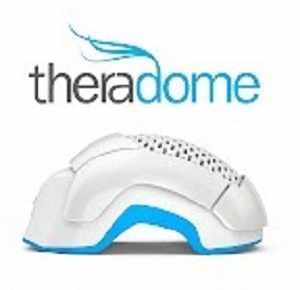
Laser hair therapy represents one approach that aims to stimulate follicle activity and support the natural hair growth cycle. As research continues to evolve, this technology is increasingly being explored as part of comprehensive hair loss treatment strategies. Devices such as Theradome, which utilize laser-based technology for scalp treatment, illustrate how modern innovations are contributing to the development of non-invasive hair growth therapies.


Write a comment ...