
Hair loss has become one of the most searched health and beauty concerns globally, affecting both men and women across different age groups. From gradual thinning to noticeable shedding, individuals increasingly seek reliable and non-invasive hair loss treatment options that deliver real results.
With the surge in demand, traditional treatments like topical solutions and medications are now being complemented—and in some cases replaced—by advanced technologies. One such innovation gaining massive traction in both Google searches and YouTube queries is laser hair therapy, also known as low-level laser therapy (LLLT).
As awareness grows around non-surgical hair regrowth solutions, laser-based treatments are emerging as a scientifically supported method to stimulate hair follicles, improve scalp health, and promote long-term hair growth.
Watch: Laser Hair Treatment Explained
Understanding how modern hair growth therapy works can be easier with a visual explanation. Below is a video that demonstrates the science and application of laser hair treatment.
This video explains how low-level laser technology stimulates hair follicles, improves blood circulation in the scalp, and supports natural hair regrowth. Viewers will also gain insights into how consistent usage can influence hair density and thickness over time.
Quick Answer
Laser hair treatment is a non-invasive hair growth therapy that uses low-level light energy to stimulate hair follicles, improve scalp circulation, and extend the hair growth phase. It is clinically studied, safe for regular use, and effective for individuals experiencing early to moderate hair thinning or pattern hair loss.
Understanding Hair Loss
Hair loss, medically referred to as alopecia, is a complex condition influenced by genetic, hormonal, and environmental factors. The hair growth cycle consists of three phases:
Anagen (growth phase)
Catagen (transition phase)
Telogen (resting/shedding phase)
Disruptions in this cycle—especially shortening of the anagen phase—can lead to visible thinning and reduced hair density. Understanding this biological process is essential when evaluating any hair regrowth treatment.
Common Causes of Hair Loss
Several factors contribute to hair thinning and hair loss, including:
Genetics (Androgenetic Alopecia): The most common cause, affecting both men and women
Hormonal Imbalances: Thyroid issues, pregnancy, or menopause
Nutritional Deficiencies: Lack of iron, biotin, or protein
Stress and Lifestyle Factors: Chronic stress can push hair into the shedding phase
Medical Conditions and Medications: Certain treatments may trigger temporary hair loss
Identifying the root cause helps determine the most effective hair loss treatment strategy.
What Is Laser Hair Treatment?
Laser hair treatment is a clinically studied hair growth therapy that uses low-level laser light to stimulate hair follicles. Unlike surgical procedures, this method is non-invasive, painless, and suitable for home or clinical use.
It falls under the category of low-level laser therapy (LLLT) and is designed to:
Reactivate dormant hair follicles
Increase blood flow to the scalp
Improve cellular metabolism
This technology has gained popularity due to its convenience and minimal side effects.
How Laser Hair Therapy Works
Laser hair therapy works by emitting specific wavelengths of red light that penetrate the scalp and reach the hair follicles.
Here’s how it supports hair regrowth:
Cellular Stimulation: Light energy enhances mitochondrial activity in cells
Improved Blood Circulation: Nutrients and oxygen reach follicles more efficiently
Prolonged Growth Phase: Helps extend the anagen phase of hair growth
Reduced Inflammation: Creates a healthier scalp environment
This combination promotes thicker, stronger, and healthier hair over time.
Benefits of Laser Hair Therapy
Laser hair treatment offers several advantages compared to traditional hair loss solutions:
Non-invasive and painless
No downtime or recovery period
Suitable for long-term use
Clinically researched and FDA-cleared in many devices
Can be combined with other treatments
Its ease of use and safety profile make it an attractive option for individuals seeking consistent hair regrowth results.
Who Should Consider It
Laser hair therapy is most effective for individuals experiencing:
Early to moderate hair thinning
Pattern hair loss (male or female)
Reduced hair density
Weak or slow-growing hair
However, it may be less effective for individuals with complete baldness, as dormant follicles may no longer be viable.
Hair Regrowth Timeline
Consistency is key when using laser hair treatment. While results vary, a general timeline looks like:
0–2 months: Initial scalp stimulation phase
3–4 months: Reduced hair shedding
4–6 months: Noticeable improvement in hair thickness
6–12 months: Visible hair regrowth and density increase
Patience and regular use are essential for optimal outcomes.
Safety and Side Effects
Laser hair therapy is widely considered safe when used as directed. Since it uses low-level light, it does not generate heat or damage skin tissue.
Possible considerations include:
Mild scalp sensitivity (rare)
Temporary shedding during early phases (normal part of cycle reset)
There are no major known long-term side effects, making it suitable for ongoing use.
Common Myths About Hair Loss Treatments
Myth 1: Hair loss treatments work instantly
Reality: Most treatments, including laser therapy, require consistent use over several months.
Myth 2: Only medications can regrow hair
Reality: Non-surgical methods like laser hair therapy can also stimulate regrowth.
Myth 3: Hair loss is irreversible
Reality: Early intervention can significantly improve hair density and growth.
Myth 4: Laser treatments are harmful
Reality: Low-level laser therapy is designed to be safe and non-damaging.
Dermatologist Perspective
From a clinical standpoint, dermatologists evaluate laser hair therapy based on its ability to influence follicular activity at a cellular level.
Low-level laser therapy is believed to:
Stimulate keratinocyte proliferation in hair follicles
Enhance ATP production, improving cellular energy
Increase microcirculation in the scalp
Reduce inflammation that may hinder follicle function
Dermatologists often recommend laser hair therapy as part of a broader hair growth treatment plan, especially for patients who prefer non-pharmaceutical options or wish to complement existing treatments.
Key Takeaways
Hair loss is a widespread condition influenced by multiple factors
Laser hair therapy is a non-invasive and clinically supported hair regrowth method
It works by stimulating hair follicles and improving scalp circulation
Consistent use over several months is required for visible results
It is safe, convenient, and suitable for early to moderate hair thinning
Dermatologists recognize LLLT as a supportive hair growth therapy
FAQs
Does laser hair treatment really work?
Yes, studies show that low-level laser therapy can improve hair density and thickness when used consistently over time.
How long does hair regrowth take?
Most users notice visible improvements within 4–6 months, with continued progress over 12 months.
Is laser hair therapy safe?
Yes, it is considered safe and non-invasive with minimal side effects when used as directed.
Can laser treatment stop hair loss?
It can help reduce hair shedding and strengthen existing hair, slowing down the progression of hair loss.
Is laser hair therapy suitable for everyone?
It works best for individuals with early to moderate hair thinning and active hair follicles.
Do I need to use it forever?
Maintenance is recommended to sustain results, as stopping treatment may gradually reverse progress.
Conclusion
As the demand for effective and non-invasive hair loss treatment continues to rise, laser hair therapy has positioned itself as a scientifically backed and accessible solution. By targeting hair follicles at the cellular level, it offers a promising path for individuals seeking sustainable hair regrowth without surgery or harsh medications.
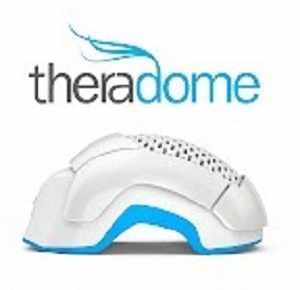
Technologies like those developed by Theradome represent how innovation is shaping the future of hair growth therapy—combining convenience, safety, and clinical research into one approach.

Write a comment ...